EuroGames 2022 brought together over 6,000 athletes from across Europe and beyond, competing across 35 sports disciplines in the Dutch city of Nijmegen. It was one of the largest LGBTQ+ multi-sport events ever staged on European soil – and a defining moment for inclusive sport on the continent.
What Are European Multi-Sport Events?
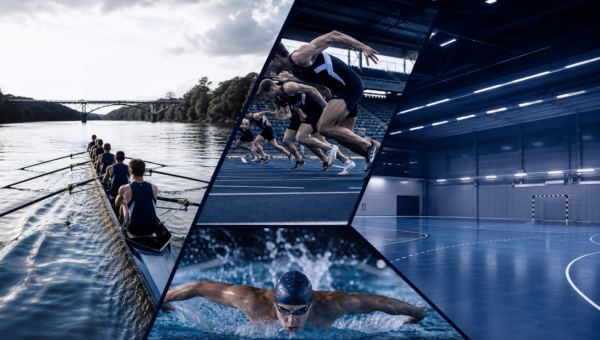
A multi-sport event brings together participants from a range of different athletic disciplines under a shared organisational umbrella. Unlike a single-sport championship, a multi-sport event creates a village atmosphere: athletes from rowing, cycling, swimming, athletics, and dozens of other disciplines all training, competing, and socialising together over days or weeks.
In Europe, multi-sport events come in several forms. The most widely known is the European Championships, which since 2018 has combined multiple Olympic sports into a single multi-host event. Then there are community-focused games built around shared identity, of which the EuroGames is the most prominent LGBTQ+ example.
The EuroGames were established in 1992 in The Hague, inspired partly by the broader Gay Games movement. Since then, the event has grown substantially in scope and reach, travelling to cities including Berlin, Paris, Vienna, and ultimately Nijmegen in 2022. The core mission has always been the same: create a welcoming space where LGBTQ+ athletes can compete, connect, and celebrate without fear of discrimination.
The 2022 Edition in Nijmegen
When Nijmegen was chosen to host EuroGames 2022, the city threw itself into preparation with remarkable energy. The event took place across multiple venues throughout the Gelderse Vallei region, combining established facilities with temporary infrastructure built specifically for the occasion.
Participants came from more than 50 countries, and the programme covered everything from mainstream athletics and swimming to dance sport, cheerleading, and bridge. The organisers deliberately included a broad discipline mix to reflect the diversity of LGBTQ+ sporting participation.
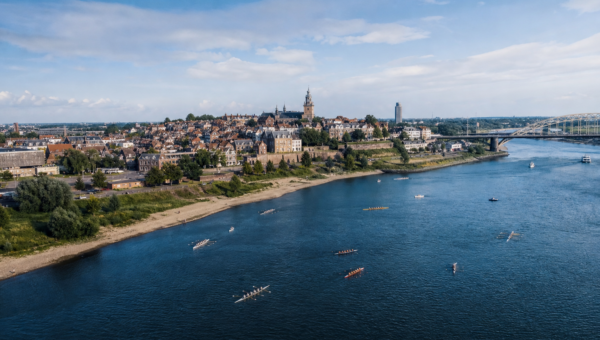
The city of Nijmegen provided an ideal host environment. Its compact centre, strong infrastructure, and existing links to sporting culture made it well-suited to absorb the influx of competitors and spectators. The River Waal served as both a scenic backdrop and a practical rowing venue.
Community at the Centre
What distinguishes events like EuroGames from purely elite competitions is the priority given to participation over performance. A club rower from Manchester or a recreational cyclist from Madrid is every bit as welcome as a national-level competitor. Medals matter, but so does the experience of being part of something larger – a community that affirms sport as a space for everyone.
This philosophy has resonance far beyond the LGBTQ+ context. Across European sport, there is growing recognition that the pyramid model – where only the very best can meaningfully compete – leaves the majority of people on the sidelines. Multi-sport events offer an alternative: wide at the base, participatory in spirit, and rich in social capital that elite competition cannot easily generate.
At the 2022 edition, over 3,000 volunteers contributed thousands of hours to make the event work. Their involvement represents a form of community investment that extends well beyond the competition itself – building skills, networks, and civic pride that endure after the games have ended.
The Range of Disciplines
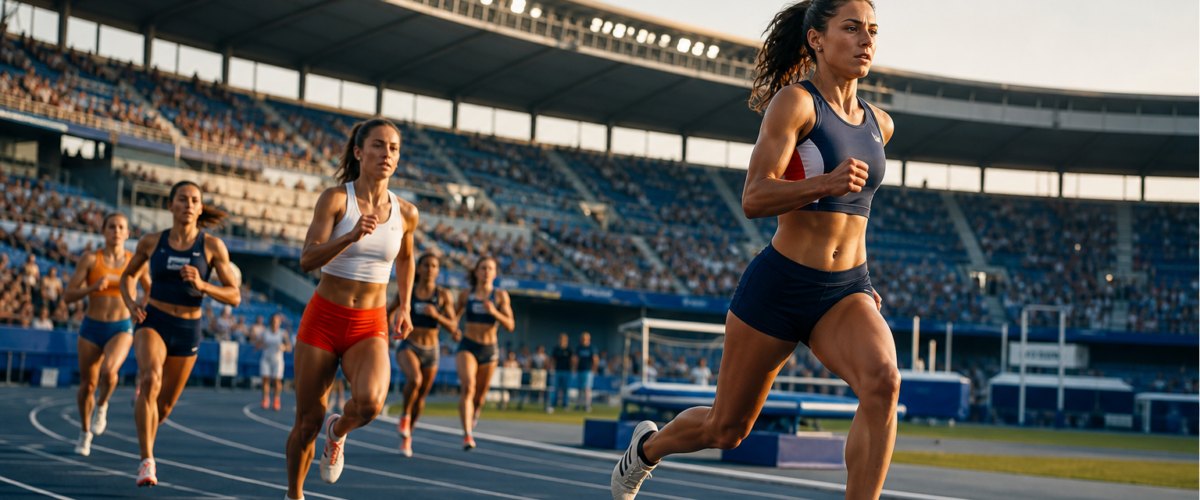
Thirty-five disciplines competed under the EuroGames 2022 umbrella. Aquatic sports – pool swimming, open-water events, water polo – consistently attracted the largest competition fields. Athletics disciplines including track and field, road running, and cross-country completed the programme of endurance and speed sports.
Team sports including football, volleyball, basketball, and handball brought a different social dynamic: collective performance, tactics of play, and the bonds forged through shared training. Dance sport and artistic gymnastics added an aesthetic dimension reflecting a broader understanding of athleticism than traditional games models allow.
The full sports disciplines overview covers each of these categories in more detail, including how they were organised at EuroGames 2022 and what participation typically involves.
Legacy and Ongoing Significance
The legacy of EuroGames 2022 can be measured in several ways. Sporting infrastructure in Nijmegen was upgraded. Local sports clubs gained new members as a result of their involvement. And the event became a reference point for future organisers in other European cities considering bids.
More broadly, the 2022 edition contributed to a growing body of evidence that inclusive multi-sport events generate real economic and social returns. Hotels, restaurants, and transport operators all benefited from the influx of thousands of visitors. And local media coverage helped normalise LGBTQ+ sporting participation in a way that sustained national campaigns rarely manage.
The European Olympic Committees calendar shows how European multi-sport events continue to multiply and diversify – demonstrating that the appetite for this kind of competition is stronger than ever.
Looking Ahead
The next chapters in European multi-sport are already being written. Cities across the continent are considering bids for future EuroGames editions, while the broader multi-sport model continues to attract interest from federations and national Olympic committees looking for ways to reach new audiences.
For athletes, organisers, and fans alike, multi-sport events represent something genuinely valuable: a model of sport defined not by who is excluded, but by how many can be included. EuroGames 2022 in Nijmegen was a vivid demonstration of what that looks like in practice.
Explore the sports disciplines that defined the 2022 edition, discover more about Nijmegen as a sporting city, or read about the story of rowing at multi-sport events.