Aquatic Sports at European Multi-Sport Competitions
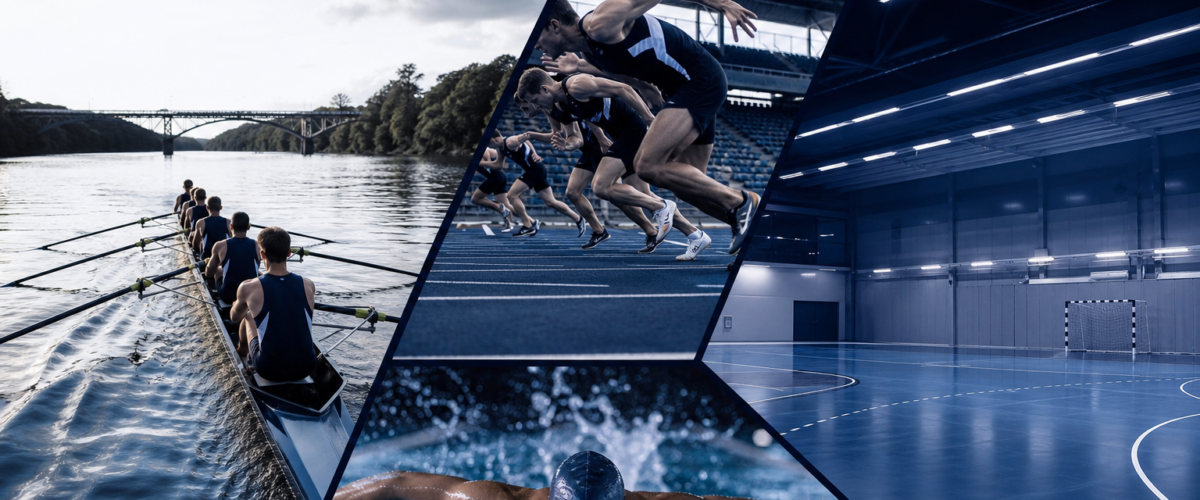
Aquatic sports consistently represent one of the largest and most diverse segments of any major multi-sport event programme. From pool sprints to open-water marathon swims, from water polo to artistic swimming, the aquatic disciplines offer a range of athletic demands and competitive experiences found nowhere else in sport.
Pool Swimming: The Cornerstone
Pool swimming is typically the dominant aquatic discipline at multi-sport events by number of entries, with events spanning sprint distances of 50 and 100 metres through to longer 400-metre and 800-metre races. The range of age categories in masters swimming – which in competitive terms extends from the age of 25 to well into the nineties – makes it one of the most age-inclusive sports in the multi-sport event context.
Masters swimming competitions allocate competitors to five-year age bands, ensuring that a 50-year-old races primarily against other competitors in their forties and fifties rather than against 25-year-olds at the peak of their physical capacity. This structure creates genuinely competitive racing at every age and is one of the reasons masters swimming has seen strong growth across European national federations over the past two decades.
Stroke specialisation – the division of swimming events into freestyle, backstroke, breaststroke, butterfly, and individual medley – further multiplies the number of competitive opportunities available. A competent all-round swimmer can enter twelve or more individual events at a major multi-sport competition, creating a personal programme that tests different technical skills and energy systems across several days of racing.
Open-Water Swimming
Open-water swimming events have grown rapidly in popularity at multi-sport competitions, tracking a broader trend in recreational sport toward outdoor and natural environment activities. Distances range from 1 kilometre – suitable for relatively new open-water swimmers – through the 5-kilometre and 10-kilometre distances that test serious endurance.
The unique challenges of open-water swimming – navigation, water temperature, current, contact with other competitors – demand specific preparation that differs significantly from pool training. Open-water swimmers develop skills in sighting, drafting, and pacing over distances where landmarks rather than lap turns provide the reference points.
At EuroGames 2022, the open-water events used stretches of the River Waal and nearby lakes in the Gelderse Vallei region, providing varied conditions and testing courses that gave accomplished open-water swimmers genuine challenges while remaining safe for less experienced entrants.
Water Polo
Water polo is a team sport that combines swimming endurance with the tactical demands of a field sport and the physical contact of a combat sport. Teams of seven players contest possession of a ball with the objective of propelling it into the opposing goal, while treading water throughout – a unique physical demand that makes water polo players among the fittest athletes in any multi-sport event squad.
LGBTQ+ water polo clubs exist across Europe, and EuroGames events have historically provided the primary international competitive forum for these organisations. The team nature of the sport gives it a distinctive social character: water polo squads travel together, train together in the period before the event, and form some of the most cohesive community groups in any EuroGames programme. The sport connects well with the broader multi-discipline spirit of events like EuroGames.
Artistic Swimming
Now officially termed artistic swimming by World Aquatics, synchronised swimming combines physical conditioning with choreography, music, and sustained breath-holding that makes it one of the most physically demanding sports in any event programme. Competitors perform routines in the water that are evaluated for technical difficulty and artistic impression, creating a competition format that has more in common with gymnastics or dance than with conventional racing.
Artistic swimming attracts performers from a wide range of backgrounds – many have dance or gymnastics experience alongside their aquatic training. The discipline’s inclusion in multi-sport events adds a dimension of aesthetic performance that broadens the event’s cultural character beyond purely athletic competition.
Diving
Platform and springboard diving require a combination of acrobatic skill, body awareness, and the particular courage required to voluntarily throw oneself from heights of up to ten metres. The discipline has a strong competitive tradition in several European countries, and EuroGames events that can secure appropriate diving facilities typically attract significant competition fields.
Technical judging means that diving can be genuinely competitive across a wide range of ages and physical profiles, provided the foundational technique is sound. This makes it another discipline where the masters participation model works well, with experienced older divers competing on roughly equal terms with younger athletes in their age categories.
The Governance of European Aquatics
At the international level, aquatic sports are governed by World Aquatics (formerly FINA), which oversees competitive standards, world records, and major international events across all aquatic disciplines. European aquatics operates through the LEN (Ligue Europeenne de Natation), which coordinates continental championships and development programmes.
Within multi-sport events like EuroGames, aquatic competition standards are adapted from these international frameworks to accommodate the broader range of athlete abilities. The World Aquatics competition overview provides context for understanding how major aquatic events are structured at the highest level of the sport.
For more on the broader sports disciplines at European multi-sport events, including the rowing programme that shares many characteristics with aquatic competition, explore the related sections of this site.