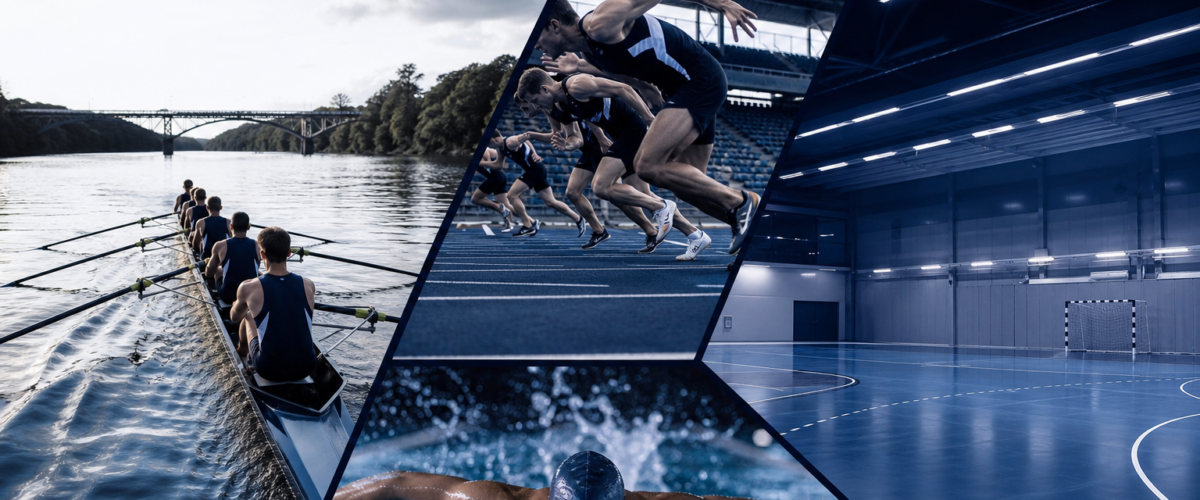
European multi-sport events cover an extraordinary range of athletic disciplines – from track and field to water sports, from team games to precision sports. Understanding what each discipline involves, and how it fits into the broader multi-sport framework, is essential context for anyone following events like EuroGames.
The Range of Disciplines
One of the defining features of multi-sport events is their breadth. At EuroGames 2022 in Nijmegen, competitors took part in 35 officially recognised disciplines, ranging from mainstream Olympic sports to niche or community-specific activities. This breadth is deliberate – it reflects a decision to make the event as welcoming as possible to athletes with different backgrounds, abilities, and interests.
At one end of the spectrum, you have endurance sports: rowing, cycling, open-water swimming, and long-distance running. These require sustained aerobic effort, careful pacing, and months or years of structured training. At the other end, precision and skill-based sports like archery and bridge place cognitive and technical demands rather than purely physical ones.
Aquatic Sports
Swimming and water-based sports consistently attract the largest fields at European multi-sport events. Pool swimming – from sprint 50-metre races to longer middle-distance events – is typically the most heavily contested discipline, with hundreds of individual entries across multiple age categories and ability levels.
Alongside pool swimming, open-water events have grown in popularity. These take place in natural or semi-natural bodies of water, requiring competitors to navigate currents and temperature variations that pool swimming does not present. The rowing events at EuroGames 2022 took full advantage of Nijmegen’s position on the Waal, with flatwater racing staged on a stretch of the river that offered excellent conditions for competition.
Water polo adds a team-sport dimension to the aquatic programme. Combining swimming endurance with the tactical demands of a field sport, it attracts some of the most athletically well-rounded competitors in any multi-sport event squad. LGBTQ+ water polo clubs from across Europe have built their competitive calendars around events like EuroGames, and the Nijmegen edition saw strong participation from clubs in Germany, the Netherlands, France, and the United Kingdom.
Athletics and Running
Track and field athletics occupies a central place in European multi-sport events, partly because of its universal accessibility – most sports facilities include a running track – and partly because its events cover such a wide range of physical profiles. Sprinters, distance runners, throwers, and jumpers all compete under the same athletics umbrella, giving the discipline a breadth of participation that few others can match.
Road running events, particularly 5km and 10km races, have also become fixtures at major multi-sport events. These are often the most accessible entry points for recreational athletes, requiring no specialist equipment and minimal venue infrastructure. At EuroGames 2022, the road race categories attracted significant numbers of first-time multi-sport participants – athletes who had never competed at an international event before but were inspired by the inclusive atmosphere to take the leap.
For context on how European athletics competition is structured at the highest level, the BBC Sport athletics coverage offers detailed reporting on continental competition formats and results.
Team Sports
Football, volleyball, basketball, and handball are all regular features of European multi-sport event programmes. Team sports add a dimension that individual disciplines cannot provide: the dynamic of collective performance, the tactics of play against an opponent, and the social bonds forged through shared training and competition.
For LGBTQ+ sports organisations in particular, team sports often serve as community anchors. LGBTQ+ football clubs, volleyball teams, and basketball squads across Europe use major events like EuroGames as reunion points and competitive targets, building year-round programmes around a biennial competitive peak. The social infrastructure built around team sport participation is often more durable than that generated by individual disciplines.
At Nijmegen, team sport venues were spread across the city’s existing sports facilities – university halls, community sport centres, and the GelreDome multipurpose venue on the city’s northern edge. This distribution gave the event a genuinely urban character, embedding competition into the city’s everyday geography rather than concentrating it in a purpose-built zone.
Cycling
Road and track cycling feature prominently in multi-sport event programmes, drawing both competitive club riders and recreational participants. The cycling disciplines at EuroGames events typically include time trials and road races over distances ranging from 30km to 100km, with categories divided by age and ability to ensure competitive fairness.
Nijmegen’s surrounding region – the Gelderse Vallei and the rolling landscape of the Veluwe – provided excellent terrain for road cycling events. Courses were designed to be challenging but accessible, with enough variety to reward both raw power and technical ability on descents. The area already has a strong cycling culture: several professional spring classics pass through the wider region, and local cycling clubs have deep roots in the community.
Combat and Precision Sports
Judo, wrestling, and boxing represent the combat sports tradition within European multi-sport events. These disciplines require not only physical conditioning but highly specific technical skills, typically acquired through long apprenticeship in a club or dojo setting. Their inclusion reflects the event’s commitment to breadth of participation – recognising that athleticism takes many forms.
Precision sports – archery, shooting, bowls – demand a different kind of discipline: the ability to control nerves, maintain focus, and execute consistently under competitive pressure. Both categories attract dedicated communities of practitioners who may not participate in other multi-sport disciplines, and including them significantly broadens the event’s reach and appeal.
Dance and Artistic Sports
Perhaps the most distinctive feature of EuroGames-style multi-sport events is the inclusion of dance sport and artistic disciplines. Ballroom dancing, Latin dancing, cheerleading, and gymnastics all featured at EuroGames 2022, drawing competitors who might not consider themselves athletes in the conventional sense but who train with comparable dedication and compete with equal intensity.
This inclusion is a statement of values as much as a practical programme decision. By recognising dance and artistic sports on the same stage as rowing and athletics, EuroGames events affirm a broader understanding of what sport means – one that is more expansive and more welcoming than traditional models. Explore specific disciplines further, including rowing, or read about the host city Nijmegen and its sporting infrastructure.