How to Train for Your First European Multi-Sport Event
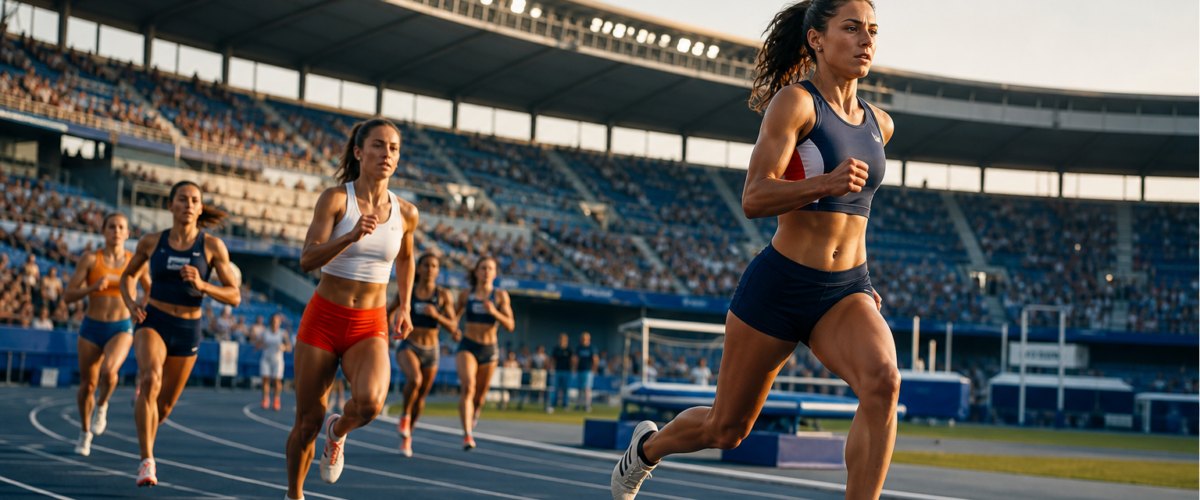
Competing at a European multi-sport event for the first time is a challenge that extends well beyond athletic preparation. Navigation, scheduling, recovery, and the social demands of a large gathering all affect performance. A structured approach to preparation – starting months before the event – makes the difference between a rewarding experience and an exhausting one.
Setting Realistic Goals
The first step in preparing for any multi-sport competition is honest goal-setting. What does success look like for you, specifically? For an elite club athlete, success might mean reaching a final or achieving a personal best. For a first-time international competitor, success might simply be completing the event feeling strong, making connections with athletes from other countries, and coming home with more knowledge of your discipline than you started with.
Neither goal is more valid than the other – but they require different approaches to preparation. The athlete focused on performance needs a periodised training plan peaking at the event. The athlete focused on participation needs a plan that builds fitness and resilience without generating the kind of fatigue that makes competition miserable. Clarifying your goal at the outset allows you to choose the right plan and stick to it.
Building the Aerobic Base
Regardless of your target discipline, a strong aerobic base is the foundation of multi-sport event preparation. Aerobic fitness – the capacity to sustain effort over time using oxygen-based metabolism – underlies performance in virtually every event-sport context. It determines how quickly you recover between heats, how well you handle the fatigue that accumulates across multiple days of competition, and how robustly you respond to the disruption of travel and irregular sleep.
Building aerobic base takes time. Most coaches recommend a minimum of twelve to sixteen weeks of structured aerobic training before a major multi-sport event, with the bulk of training at moderate intensity. High-intensity interval work is valuable but becomes more so when built on a solid endurance foundation. Trying to shortcut the base-building phase by doing only high-intensity work is one of the most common preparation errors.
Discipline-specific technique work should run in parallel with aerobic development. A rower who is aerobically fit but technically inconsistent will not perform well; the same is true of a swimmer, cyclist, or runner. Technical refinement is most effective when undertaken in a state of moderate fatigue – it is of limited value to drill technique only when you are fresh, since competition rarely presents that luxury.
Planning Your Event Schedule
Multi-sport events typically run over several days, with disciplines sometimes overlapping or competing for the same time slots. If you are entering only one discipline, this is straightforward – but many participants at events like EuroGames enter two or three events, sometimes in quite different sports. Planning your schedule carefully in advance helps avoid conflicts and ensures adequate recovery time between efforts.
As a general principle, prioritise your most important event and build everything else around it. If you are a rower who also enters the 10km road race as a secondary event, make sure the road race is not scheduled the day before your rowing final. Most event organisers provide schedules in advance – download them as soon as they are available and map your personal programme before finalising registrations.
The Athletics Weekly European off-road championship coverage illustrates how European-level competition draws athletes at a range of performance levels – and how preparation quality distinguishes those who thrive from those who merely survive.
Recovery and Nutrition
Recovery management during a multi-sport event is often underestimated. The combination of competition effort, travel, social activities, and disrupted sleep creates a cumulative fatigue load that can significantly impair performance in later events. Athletes who spend the first two days of a five-day event burning energy socially often find themselves performing far below their training standard by the time their key events arrive.
Practical recovery protocols do not require asceticism. They require prioritisation: identify which events matter most, and protect the recovery period before them. Sleep is the most powerful recovery tool available, followed by hydration and appropriate caloric intake. Active recovery – gentle movement, stretching, light swimming – helps metabolise exercise by-products more quickly than complete rest.
Mental Preparation
First-time international competitors frequently underestimate the psychological demands of competing in an unfamiliar environment. Unexpected logistics – a venue that is harder to navigate than anticipated, a warm-up area that is more crowded than planned – can trigger anxiety that affects performance if the athlete has no established coping strategy.
Simple mental preparation techniques are highly effective: visualisation of the competition environment and the planned performance; a consistent pre-competition routine that is practised in training and reproduced on race day; and a realistic appraisal of what can and cannot be controlled. You cannot control the weather, your competitors’ form, or the efficiency of the event organisation. You can control your preparation, your warm-up, and your attitude to the unexpected.
Tapering and Final Preparation
In the final two to three weeks before a multi-sport event, training volume should reduce while intensity is maintained or slightly increased. This tapering process allows accumulated fatigue to clear while preserving the fitness gains of the preceding training block. It is common to feel flat or sluggish during the first week of a taper – this is normal and passes.
Use the tapering period to finalise practical logistics: confirm travel arrangements, check equipment, review the event schedule, and if possible, reconnoitre the competition venue. Arriving at the event with administrative uncertainty resolved frees mental bandwidth for competitive focus.
Use our pace calculator tool to work out your target times across different distances, and explore the full range of disciplines available at European multi-sport competitions.